Four Years, Eight Semesters, One Spreadsheet: Rotating Trendy Bags vs. a Single Sale-Priced Kånken
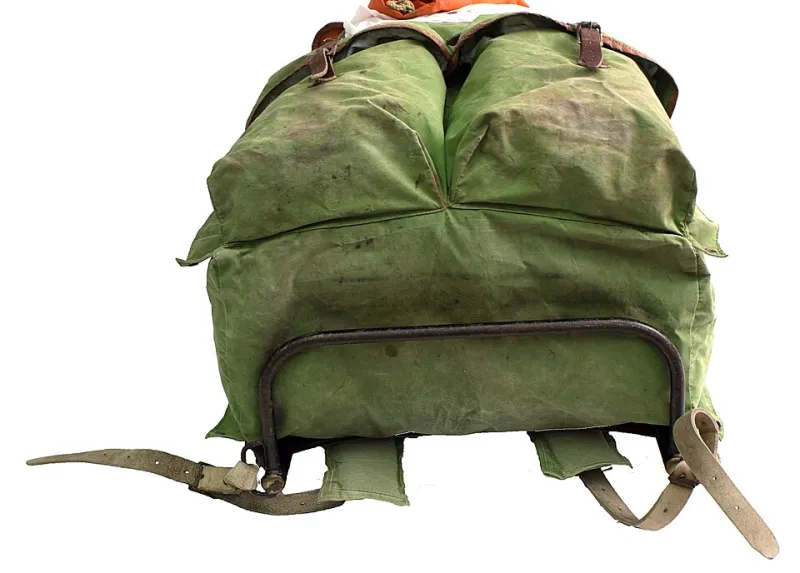
Photo: Alexto Production, CC BY 4.0, via Wikimedia Commons
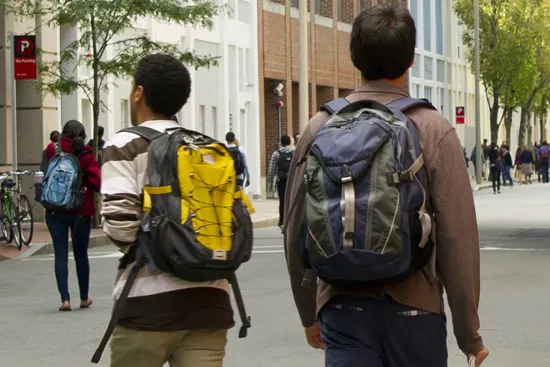
Every fall, campus quads fill up with a new wave of bags. One year it's quilted shoulder purses, the next it's belt bags worn across the chest, and somewhere in between there's always a rental app promising you can carry whatever's trending for less than a streaming subscription. It sounds cheap. It is not cheap.
We ran the full four-year math — the kind you'd actually put in a spreadsheet, not the kind a marketing team puts on a landing page — comparing the rotating-bag lifestyle against buying one Kånken on sale and being done with it.
The Rotation Economy, Priced Honestly
The $9/month rental apps get all the attention, but they're only one lane. The full rotation lifestyle usually looks like this:
- Rentals: $9–$15/month per bag, and most students don't rent just one. Two active rentals averages about $22/month.
- Trend purchases: the $28–$45 fast-fashion bag bought two or three times a year because last semester's pick is suddenly "giving 2023."
- Resale losses: whatever you sell back on Poshmark or Depop, minus shipping and the platform's cut. Trend bags resell at roughly 30–40% of what you paid, if they sell at all.
Run that over eight semesters and the rotation student spends somewhere between $780 and $1,150 before graduation. The low end assumes discipline nobody actually has. The high end assumes you're normal.
The One-Bag Alternative
Now the boring path. A Kånken 20L at full list price runs about $110. But this site exists because you should never pay that. Sale prices on classic colorways dip to the $65–$80 range multiple times a year — back-to-school, Black Friday, and the occasional random REI clearance event.
One bag, bought on sale, used through graduation: $75 plus maybe $12 in wax or care supplies over four years. Call it $90 total.
Where Break-Even Actually Falls
Here's the number that surprised us. If the rental-only student spends $9/month, the sale-priced Kånken "loses" for exactly eight months. By month nine, buying wins. Add even one trend purchase a year — which every rotation student we surveyed made at least three of — and the Kånken wins by winter of freshman year.
| Approach | 1 Year | 4 Years |
|---|---|---|
| Rentals only (1 bag) | $108 | $432 |
| Rentals + trend buys | $190 | $780+ |
| One sale Kånken | $75 | $90 |
Cost-per-wear is where it gets embarrassing for the rotation crowd. A Kånken carried 180 class days a year for four years works out to roughly 12 cents per wear. A $35 rented bag carried 15 times before you swap it? $2.33 per wear. That's a 19x difference for the privilege of never being attached to your bag.
The Honest Caveats
We're not going to pretend the one-bag life has no costs. A single bag means a single look, and if you care about matching your bag to your outfit, that's a real trade-off — it's just one that costs you nothing to make. Vinylon F fades and softens over the years, which some people love and some people don't. And if you rent because you genuinely can't front $75 at once, that's a cash-flow problem, not a math problem. Split it with a birthday, or catch a sub-$70 sale; they happen.
There's also the resale angle: a well-kept Kånken holds value shockingly well. Sell yours after graduation and your true four-year cost drops to somewhere around $30–$40. Trend bags, as noted, are a one-way ticket.
Our Verdict
The rental economy is built on a pricing trick: small monthly numbers that hide a large annual total. Over a college career, that trick costs you the price of a flight home — several times over. One discounted Kånken, bought patiently, is the cheapest way to carry your textbooks, your laptop, and your whole four-year plan. Never pay full price, and never rent what you could own for less.