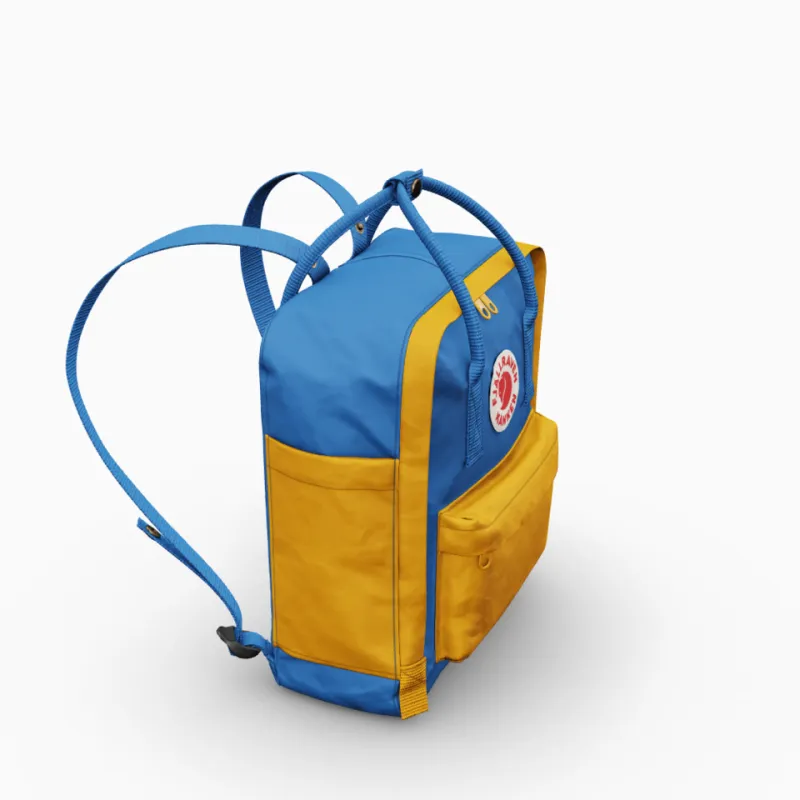
3 Miles a Day, 30 Days Straight: What Bike, Bus, and Foot Commuting Actually Did to a Sale-Priced Kånken
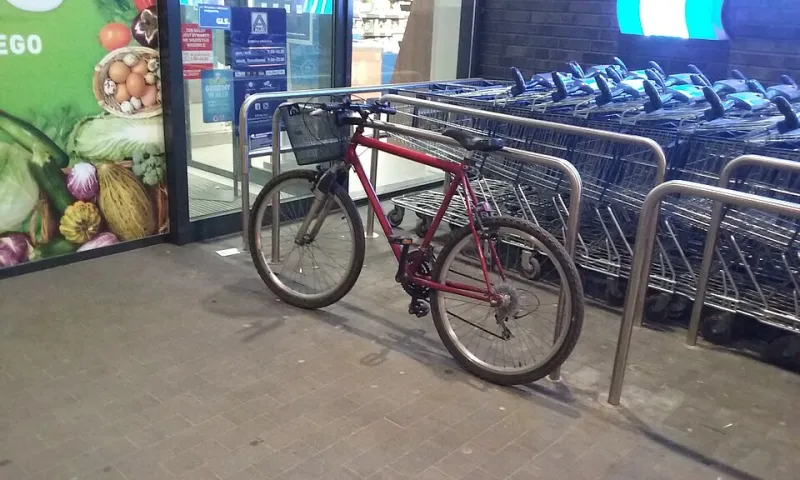
Photo: WrS.tm.pl, Public domain, via Wikimedia Commons
The Setup: One Discounted Kånken, Three Commutes
Here at Cheap Kanken, we track prices so you don't overpay. But a deal is only a deal if the bag lasts, right? So when we spotted a Kånken 20L in Frost Green at 20% off — about $78 instead of the usual $100-ish street price — we decided to answer a question nobody really asks: does a sale-priced Kånken hold up when your commute is genuinely awful?
For 30 days, I carried the same backpack 3 miles a day, rotating between three modes: my beat-up commuter bike (12 days), the city bus with a 10-minute walk on each end (9 days), and plain old walking (9 days). Same bag, same route, same 8-pound daily load — laptop, notebook, water bottle, lunch.
Week One: The Bike Days Hit Different
Cycling with a Kånken is a known compromise. The flat back panel and thin straps aren't engineered for a forward lean, and by day three I noticed the load shifting toward my shoulders every time I hit a pothole — which, in my Midwestern city, is constantly.
Wear-wise, the bike days were the harshest. The bag rode against my lower back, and the Vinylon F fabric picked up visible salt staining from sweat within the first week. The bottom panel, which rubbed against my jacket zipper, developed two tiny abrasion spots. Nothing structural. But if you're buying a discounted Kånken expecting it to look pristine, bike commuting will end that fantasy fast.
Week Two: Bus Days Were Basically Free Wear
Riding the bus, the Kånken mostly sat on my lap or in a seat beside me. The daily walking segments — about 20 minutes total — were gentle by comparison. Honestly, the bus was a vacation for the bag. The only notable wear: the top handle started softening where I gripped it while squeezing down the aisle.
If your commute is mostly transit with short walks, a Kånken bought at any discount is going to last for years. That's where the value really shows up.
Weeks Three and Four: Walking, the Kånken's Home Turf
Walking is what this bag was built for — Fjällräven designed the original Kånken in 1977 to spare Swedish schoolkids' backs, and it shows. The boxy shape distributed weight well, the straps stopped bothering me after a minor adjustment period, and the fabric shrugged off two rainstorms without issue (though, as we've covered before, Vinylon F is water-resistant, not waterproof — get a rain cover if you're carrying electronics).
After 27 walking miles, the bag looked barely touched.
The Cost-Per-Mile Math
Here's where the deal-hunting part comes in. I paid $78 for the bag. Over 30 days at 3 miles a day, that's 90 miles of commuting.
- $78 ÷ 90 miles = $0.87 per mile for month one.
- If the bag lasts three years of commuting (reasonable based on the wear), that drops to roughly $0.03 per mile.
Compare that to a monthly transit pass in most US cities ($60–$130) or the wear on your own car, and the math gets silly. Even at full price, a Kånken is cheap per mile. At 20% off, it's practically a rounding error.
Which Model and Colors Held Up Best
The 20L was the right call — the 16L got cramped on grocery-run days, and I'd never bike-commute with anything smaller. As for colors: Frost Green and the darker greens hid scuffs and sweat salt beautifully. My previous Kånken in a lighter pastel showed every mark within a week. If you're commuting hard, skip the pale colors on the sale rack and grab the dark ones — they're often discounted last, too, so patience pays.
Verdict: A Discounted Kånken Is Still a Bargain — With One Caveat
If your commute is bus-and-walking, buy the deal and never look back. If you're biking daily, the Kånken works but expects character marks; consider it a patina tax on your savings. Either way, at $0.87 per mile in month one and pennies after, the only real mistake is paying full price — and you're not going to do that, are you?