I Borrowed Instead of Bought: One Semester With a Campus Gear Library, Priced Against the Cheapest Kånken Deal
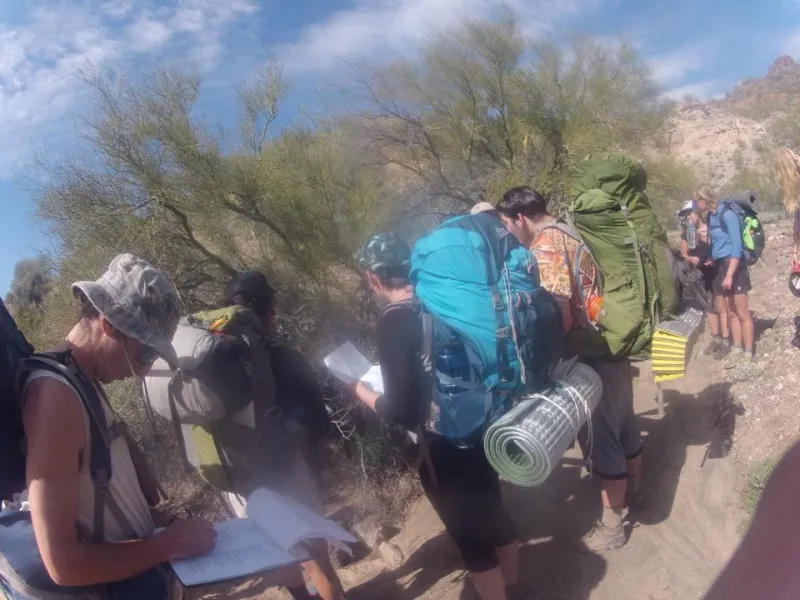
Photo: Wesborden, CC BY-SA 4.0, via Wikimedia Commons
Every fall, the same advice shows up in every budgeting thread: don't buy gear you'll only use for a few months. Rent it. Borrow it. Join the sharing economy. And honestly, with campus gear libraries expanding fast — my own university's outdoor program added a "daily carry" shelf two years ago — it felt like the right moment to test that advice against the thing we track every single day here: Kånken prices.
So for one full semester, I skipped the checkout cart entirely and used my school's lending library as my primary backpack source. Here's what it actually cost, what it actually felt like, and the exact math on when borrowing stops making sense.
How the Lending Library Actually Works
My campus program operates like a gym for gear. You pay a one-time $10 registration fee (waived if you're on work-study, which I am, so $0 for me), and then checkouts are free for up to seven days at a stretch. Their "everyday pack" shelf holds about a dozen bags — a mix of donated Kånkens, a few Ospreys, and some unbranded canvas totes that have clearly seen things.
The catch, and it's a big one: the Kånken-style bags are the most requested items in the entire inventory. There's a waitlist. A real one. My first request took 11 days to clear, and after that I learned to put in a renewal request three days before any due date or risk showing up to class with a plastic grocery bag.
Over 15 weeks, I checked out a loaner bag nine separate times. Total days covered: 58. The other 47 days? Either the shelf was empty, the two available bags were in someone else's name, or I was on fall break without campus access.
The Real Cost of Borrowing
Let's add it up honestly:
- Registration fee: $0 (would be $10 normally)
- Late fee, once, when I forgot a due date during midterms: $5
- Two campus bus rides to the rec center to swap bags on days I didn't want to carry the loaner: $2.20
- A packable tote I bought as a backup for the gap days: $9.99
Grand total: roughly $17, or about $27 if you count the full registration fee. That's genuinely cheap. If your semester is 15 weeks and you only need a bag occasionally, borrowing wins outright. No contest.
But here's the part the sharing-economy cheerleaders skip: I wanted a bag every day. And a lending library built for weekend camping trips is a terrible fit for daily carry. The 47 uncovered days meant improvising, and improvising got old by October.
The Condition Question
The loaner bags are, charitably, loved. The one I used most had a zipper that jammed if you loaded it past about eight pounds, and the interior smelled faintly of someone else's 2022. That's not a knock on the program — they inspect and repair between checkouts, and it's impressive they keep anything running at that volume. But a loaner bag is a shared bag. You're not picking the color. You're not breaking in the straps. You're renting someone's history.
The Break-Even Math
Now the fun part. The cheapest legitimate new Kånken price we've tracked this year landed around $60 during seasonal sales, and authorized retailers regularly dip to $65–$75. Even a solid secondhand find runs $30–$45 if you're patient.
Compare that to borrowing:
- One semester of borrowing (with gaps): ~$17–$27
- Two semesters of borrowing: ~$40–$55, plus the same coverage gaps, doubled
- Three semesters: you've now spent $60+ and still don't own a bag
That's the break-even line. Somewhere in the middle of your second semester of regular borrowing, you cross the point where a discounted purchase — or even a well-priced used one — becomes the better financial move. Add in the daily-coverage problem, and buying wins even faster for anyone who actually commutes.
So Who Should Borrow?
Gear libraries are fantastic for exactly what they were built for: occasional use. Study-abroad prep, a single hiking trip, a semester where you genuinely don't need a daily bag. If that's you, borrow happily and spend the $60 you saved on literally anything else.
But if you're reaching for a backpack every morning — and most students are — the math flips by mid-year. Set a price alert, wait for the next legitimate sale (they come around more reliably than campus waitlists, we promise), and buy once. Your future self, standing in line at the library gear desk for the fourth time this month, will thank you.