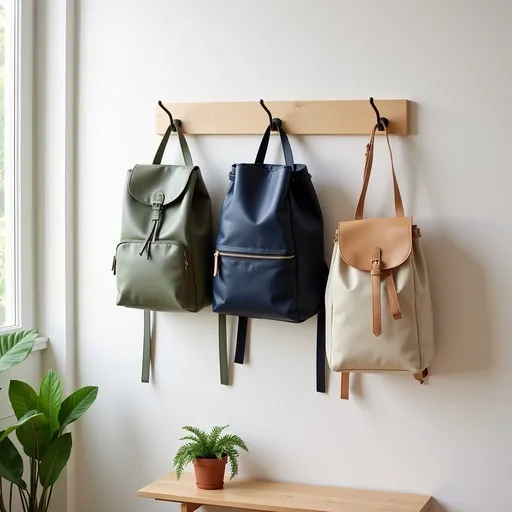
Seven Days, Three Rental Apps, One Receipt: What Borrowing a Backpack for a Week Actually Cost Me vs. Our Lowest Kånken Price Ever
Renting a car, sure. Renting a dress for a wedding, fine. But renting a backpack? That's the pitch from a wave of peer-to-peer rental apps that let you borrow gear from strangers by the day. Since our whole thing at Cheap Kanken is figuring out when a deal is actually a deal, I decided to test the math the only way I know how: by renting a backpack for a real seven-day trip and then comparing the final bill to the lowest Kånken sale price we've ever logged.
The Trip, the Rules, the Apps
The trip was seven days in Denver — a mix of city wandering, a day hike, and the kind of overpacking I pretend I don't do. The rules were simple: I could not use a backpack I owned. Everything had to come from peer-to-peer rental platforms, and I had to log every single fee, deposit, and message-thread headache.
I spread the week across three apps (I'll keep the names generic since availability in your city will vary, but think Fat Llama-style gear marketplaces and a couple of newer outfit-rental platforms that have added outdoor categories). Each rental came from a different host, which gave me a decent sample of how this economy actually works.
The Fee Breakdown Nobody Puts on the Homepage
Here's where renting gets interesting. The listed daily rates were genuinely cheap — $6 a day, $9 a day, $12 a day for what were all basically 20-liter-class daypacks. Sounds great, right? Then the add-ons started.
- Service fees: Every platform took a cut, typically 10–20% of the rental total.
- Damage protection: Optional, but with a $200+ deposit on the line, I paid it on two of three rentals. That ran $5–$11 per rental.
- Delivery or meetup costs: One host charged a $10 "logistics fee" to meet at a transit station. Another made me trek 40 minutes across town for pickup.
- The deposit itself: $150–$250 held on my card for days after return. Nothing was charged, but that's real money frozen while you're on vacation.
The grand total for the week: $71.40 in actual charges, plus roughly $400 in temporarily held deposits and about three hours of my life spent coordinating pickups. For the record, buying the bags outright would have run $70–$110 each.
How That Stacks Against Our Cheapest Kånken
Now the fun part. Our price tracker's all-time low on a classic Kånken 20L is $59.20, captured during a seasonal sitewide sale at a major outdoor retailer. We've seen plenty of deals in the $65–$75 range, and even full price sits around $110.
So my week of renting cost $12 more than owning a Kånken forever. And that's before counting the coordination time, the deposit anxiety, and the fact that one of the bags had a sticky zipper that made me appreciate Vinylon F in a way I never expected.
When Renting Actually Wins
I'm not here to dunk on the rental economy — there are real use cases. If you need a backpack for exactly one trip a year and you'd otherwise buy something you'd never touch again, $71 beats a $110 impulse purchase. Renting also makes sense for testing whether a bag style works for your body before committing, or for travelers trying to keep a one-bag setup flexible.
But here's the thing: a Kånken isn't that bag. It's a five-plus-year, daily-carry workhorse. Amortize $59.20 over five years and you're paying about $1 a month. The rental math only works for stuff you use rarely — and most students and travelers I know use their backpack constantly.
The Verdict
If your backpack usage looks like "one trip, then it lives in a closet," renting is a legitimately smart play — just budget for fees that add roughly 40–60% on top of the listed daily rate. But if you're the kind of person who carries a bag most days, our tracker says the answer is boring and reliable: wait for a Kånken sale under $65, buy once, and stop paying other people's service fees.
Set a price alert, be patient, and let the sale come to you. That's the whole Cheap Kanken philosophy — and after a week of rental-app logistics, I've never appreciated it more.