Six Weeks, One Kånken, Zero Baggage Fees: My Europe Packing Math, Fully Audited
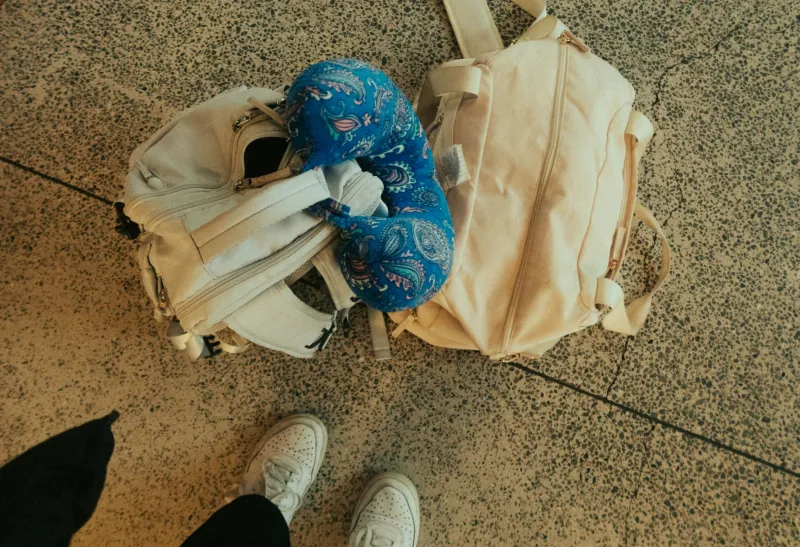
When my study abroad program ended in May, I had six free weeks, a rail pass, and a strict rule: if it didn't fit in my Kånken, it wasn't coming. Budget airlines in Europe charge $30–$60 per checked bag, and I calculated I'd be on nine flights. Do that math and one backpack starts looking less like a lifestyle choice and more like a financial decision.
Here's how it actually went — the wins, the smells, and the exact dollar tally.
The Packing List That Made It Possible
The Kånken 16L is roughly 15.7 x 10.6 x 5.1 inches, which squeaks under most budget airlines' personal item limits. It's also boxy, which means it holds more than it looks like it should — if you pack like a person playing Tetris with your rent money on the line.
What went in:
- 4 t-shirts, 2 merino wool (they resist odor; this matters)
- 2 pairs of shorts, 1 pair of convertible pants
- 1 packable rain shell
- 5 pairs of socks, 5 pairs of underwear
- A microfiber towel (never a cotton one)
- Toiletries under 100ml, all in one zip bag
- Phone, charger, a $12 universal adapter
- One debit card, one credit card, a photocopy of my passport
That's it. No "just in case" hoodie. No second pair of shoes. If you're staring at your closet thinking that's impossible, I promise the problem is the closet, not the list.
Roll vs. Fold: The Experiment That Settled My Packing Anxiety
Before I left, I did what any budget-obsessed person does — I packed the bag three different ways in my dorm room.
Folding everything flat: the bag zipped, but barely, and it bulged at the corners.
Rolling everything into tight cylinders: noticeably better. The rolls filled the Kånken's rectangular base like bricks, and I still had the main compartment's top third free.
Rolling + compression cubes: the winner. Two $9 cubes squeezed my clothes down enough that I could add a packed rain jacket and still zip it with one hand. The Kånken's stiff Vinylon F fabric helps here — it doesn't sag or stretch, so once it's packed right, it stays packed right.
Laundry on the Road: The Unsexy Secret
One-bag travel lives or dies on laundry. My system:
- A $4 travel sink stopper and a travel-size bottle of detergent
- Sink-wash socks and underwear every second or third night in the hostel
- A full laundromat run once a week, usually 5–8 euros
Merino shirts got 4–5 wears between washes. The synthetic ones got two, max, and by week three I regretted packing them at all. If you're building a travel kit around a small bag, spend the extra $15 on wool. It's the difference between smelling like a person and smelling like a cautionary tale.
The Running Cost Tally
Here's the part I promised. Against nine flights, checked bags would have run me roughly $350–$450 total. My actual baggage spend:
- Checked bag fees: $0
- Compression cubes: $18
- Laundry (sink soap + six laundromat runs): about $48
- Merino shirts bought specifically for the trip: $55
Even counting the gear I bought for the trip, I came out at least $230 ahead — and that's before counting the time saved. No bag drop lines, no carousel waiting, no airline losing my stuff. In Rome I watched a family stand at baggage claim for 40 minutes while I was already eating gelato.
Was the Kånken Comfortable for Six Weeks?
Honest answer: it's a 16-liter daypack, not a trekking pack. Walking 20 minutes from a train station with it fully loaded is fine. Hiking it for hours is not — the shoulder straps are flat and unforgiving. But for airport-to-hostel-to-café hopping, it was exactly right, and the boxy shape meant it never looked overstuffed going through a gate check eye.
If you're planning a similar trip, watch for Kånken sales before you buy — we track prices daily here for a reason. Full retail for a 16L hurts; sale price makes it one of the best dollars-per-wear purchases a budget traveler can make.
Six weeks, one backpack, zero baggage fees. I'd do it again tomorrow.