We Split One Kånken 20L Between Two Roommates for a Whole Semester — Here's What Sharing a Backpack Actually Cost Us

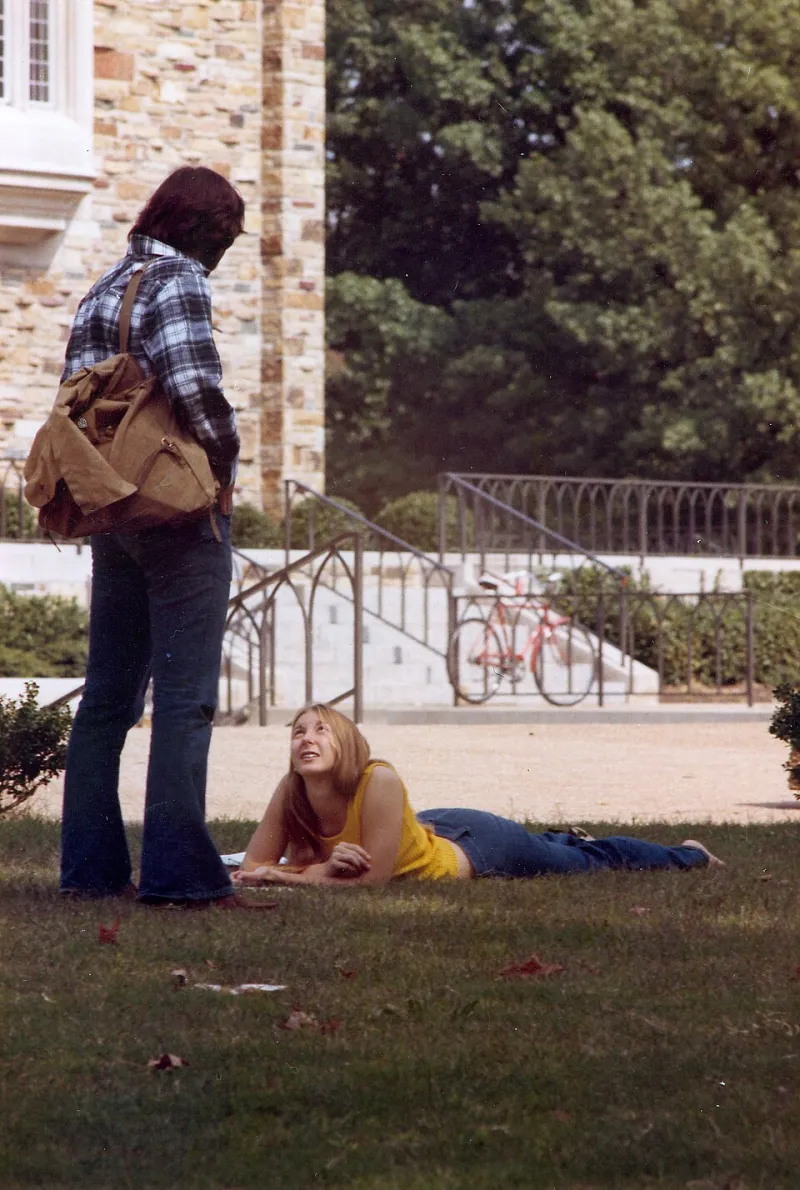
Photo: Ryanx7, CC BY-SA 4.0, via Wikimedia Commons
Backpacks don't usually come up in roommate negotiations. You split the rent, the Wi-Fi, the mini fridge — but nobody drafts a roommate agreement over a bag.
We wanted to change that. The question was simple: if a Kånken 20L drops to around $60 on sale (which it does, regularly — our price tracker caught it three times last year), is it cheaper for two people to share one than for each to buy their own? My roommate Dana and I ran the experiment for a full fall semester, and the answer is more complicated than a spreadsheet expected.
The Setup: One Bag, One Spreadsheet, One Rule
Here's how it worked. We bought a single Kånken 20L in Fox Green during an end-of-summer sale for $62.47 with tax. We split it 50/50 — $31.24 each — and logged every use in a shared Google Sheet: date, who took it, what for, and whether there was any scheduling drama.
One rule kept things civil: whoever had it overnight owned it for the next morning. No exceptions, no texting at 7 a.m. asking where the bag was.
The Numbers: $31 Each vs. $80+ Each
On paper, this looks like a slam dunk. A new full-price Kånken 20L runs about $90 after tax at most US retailers. Even at the sale prices we track — typically $62 to $75 — two separate bags means each person is out $62 to $75 minimum. Sharing cut that to $31.24 apiece.
Over 15 weeks, we logged 94 total uses. Dana took it 51 times, I took it 43, and there were 6 documented conflicts — days when we both needed it and one of us had to improvise. That's roughly one clash every 2.5 weeks.
Those conflicts cost us real money, though. I rented a locker in the student union for $12 for the semester as a backup on days Dana had the bag for her 8 a.m. stats class. Dana grabbed a $14 canvas tote from the campus bookstore for days she couldn't wait on me. Add those workarounds in and our "savings" shrink:
- Bag cost: $62.47 total / $31.24 each
- Workaround costs: $26 total / $13 each
- True cost per person: $44.24
Still cheaper than one sale-priced bag each. But the gap narrows fast if you need the bag daily.
Where Sharing Actually Works (and Where It Doesn't)
The Kånken 20L turned out to be a decent candidate for this experiment for one big reason: neither of us needed it every day. Dana commutes by bike three days a week and uses a pannier. I only need a backpack for seminar days and library runs. Our schedules had natural gaps.
If you and a roommate are both full-time, on-campus, five-days-a-week students, forget it. You'll clash constantly. The 20L also isn't huge — it fit one person's laptop, notebooks, and water bottle fine, but merging two people's stuff into it for a shared day trip got cramped.
There's also the hygiene factor nobody wants to discuss. Sharing a bag that holds your gym clothes and someone else's lunch containers takes a level of communication most roommate pairs haven't reached by October.
The Handoff Contract (Yes, We Wrote One)
After week four's conflict — Dana needed it for a job interview, I needed it for a presentation, and neither of us had checked the sheet — we wrote a one-page agreement. If you're tempted to try this, steal the structure:
- Buy-in: Split the purchase price exactly, documented with a photo of the receipt.
- Priority rule: Interviews, presentations, and flights outrank everyday use, no penalties.
- Overnight rule: Possession at midnight = ownership the next morning.
- Damage clause: Repairs split 50/50 unless one person caused the damage solo.
- Exit plan: At semester's end, one person buys the other out at half the current sale price, or you sell it and split the proceeds.
That last clause matters more than you'd think. When the semester ended, Dana bought me out for $28 — she's studying abroad in the spring and actually needs it daily. I came out $3 ahead of my half of the original cost, which, adjusted for the locker rental, means I effectively rented a backpack for a semester for about $10.
So Should You Do It?
Here's the honest verdict: sharing a Kånken saved us each roughly $36 to $48 versus buying separate bags, but only because our schedules rarely overlapped. If your usage patterns clash more than twice a month, the coordination tax eats the savings and the friendship strain isn't worth it.
A better move for most people: wait for a sale. We track Kånken prices daily, and the 20L hits the $60-to-$70 range multiple times a year — back-to-school season, Black Friday, and random mid-winter dips. If you can wait four to six weeks, you'll often pay close to what my roommate arrangement cost, without scheduling your life around a backpack.
But if you and your roommate have mismatched schedules, a shared sheet, and a high tolerance for mild logistical chaos? It works. We have the receipts — literally — to prove it.